JOINT-FORCES was privileged to be invited to attend the Nordic Arctic Summit in Sweden to learn more about the new Nordic Combat Uniform, writes Mike Gormley.
~
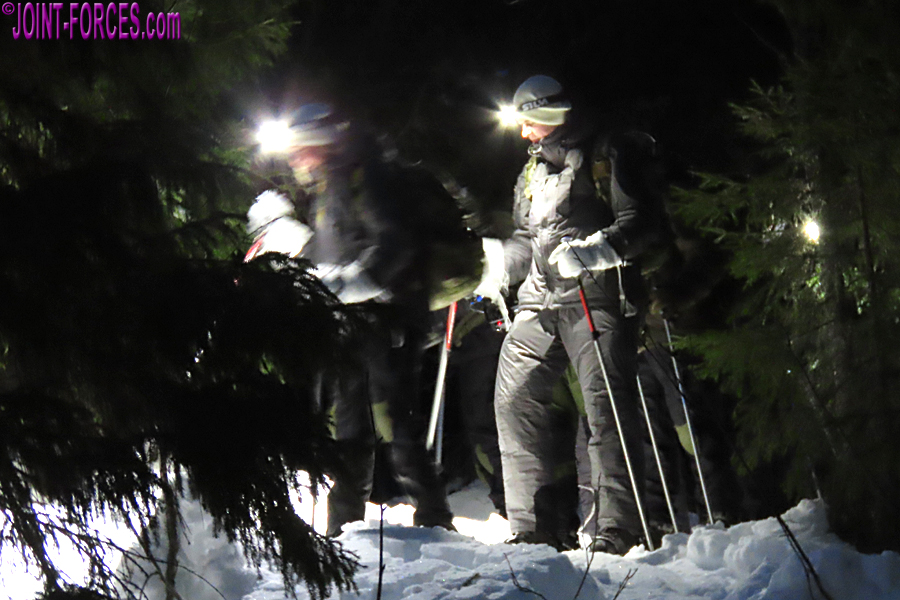
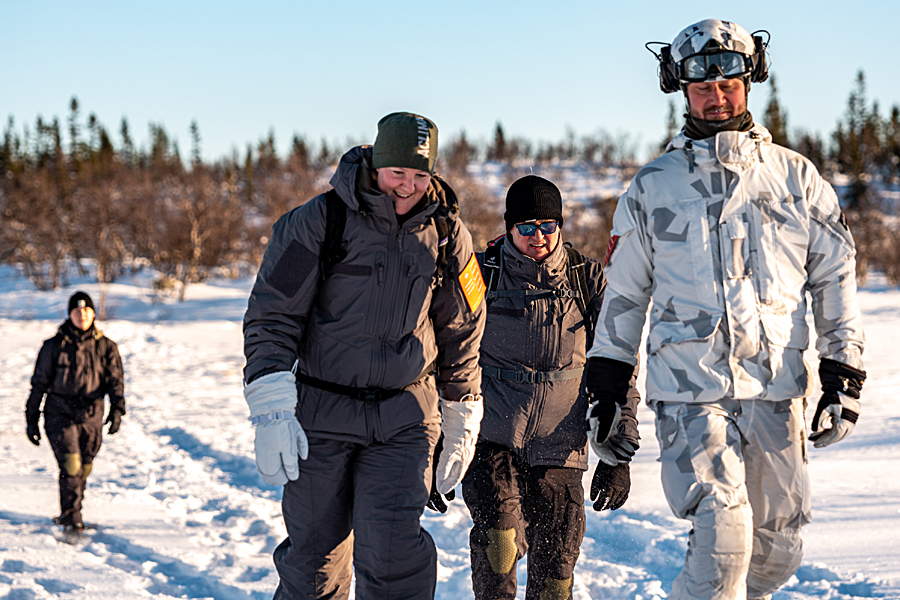
So, one of my snowshoes came off! As those who have experienced this will know, when on snowshoes in snow conditions and one comes off it can be a challenge as one foot now sinks into the snow as do the hands as you use them to try to stand up again! I will leave this to your imagination, but I decided to give up on this and head back, and perhaps now my larger size boots came in a little handier, though of course now not large enough on their own. At this point there was every opportunity to get a sweat on, but I don’t recall ever being uncomfortable or feeling the need to take a Nordic Combat Uniform layer off.
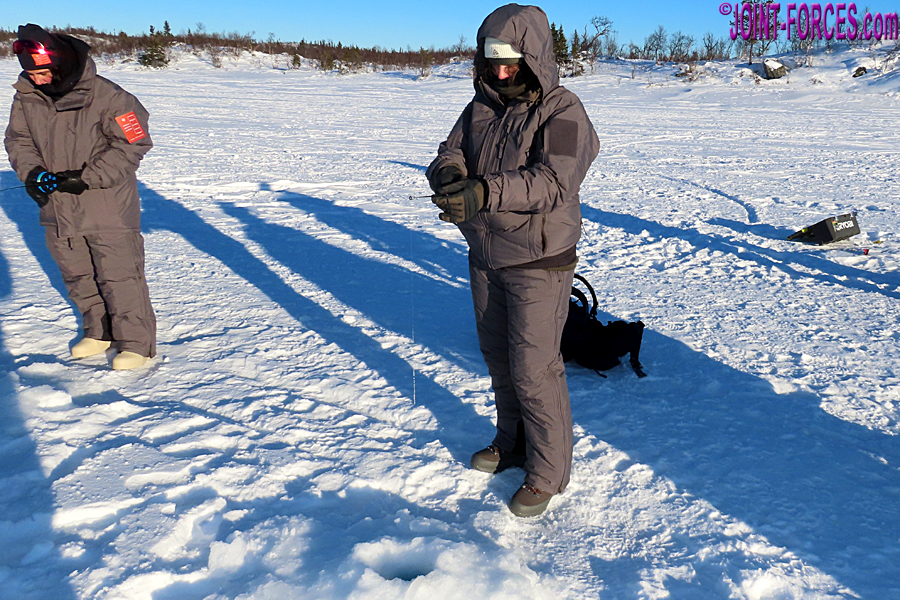
I got back to our now fast-evolving base camp and once again things slowed right down. Fires were lit with stoves up and running, food cooking and hot brews on the go. For us it was a chance to try our hands at fishing through ice holes. Once again, and all part of the overall plan, we were now static following a period of activity. The sun was out but it was very cold though happily no real wind to add to the chill. We had our go at fishing and let’s say it was a good thing we were not depending on our results for our lunch.
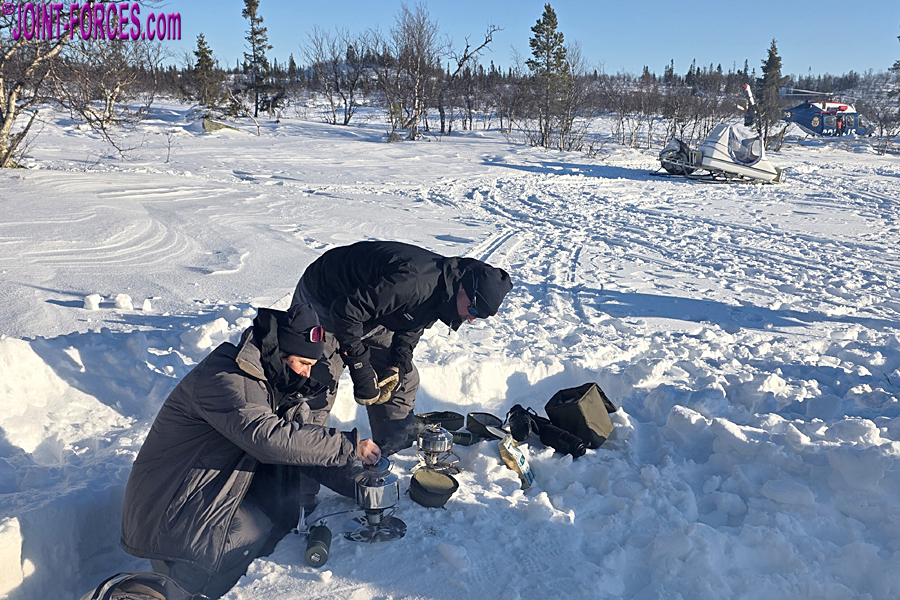
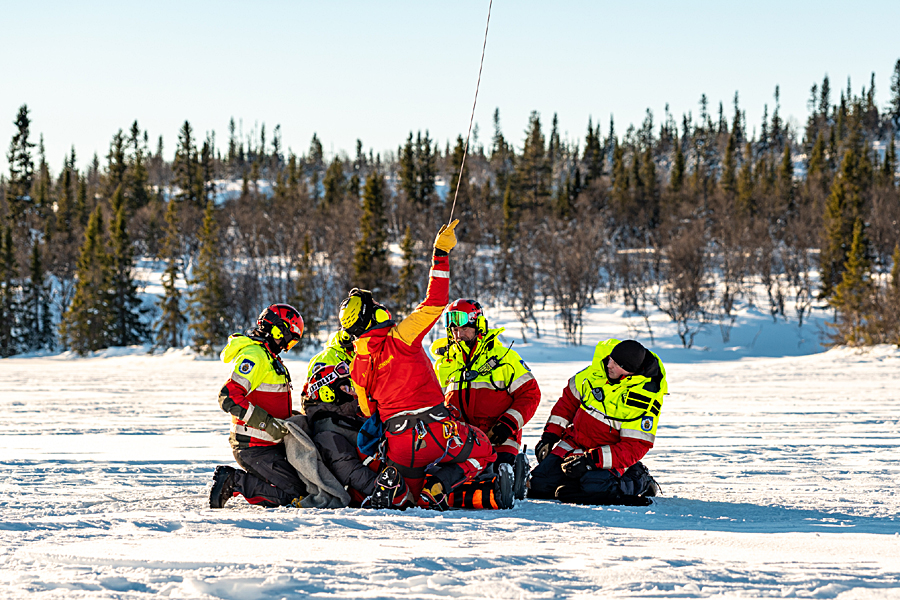
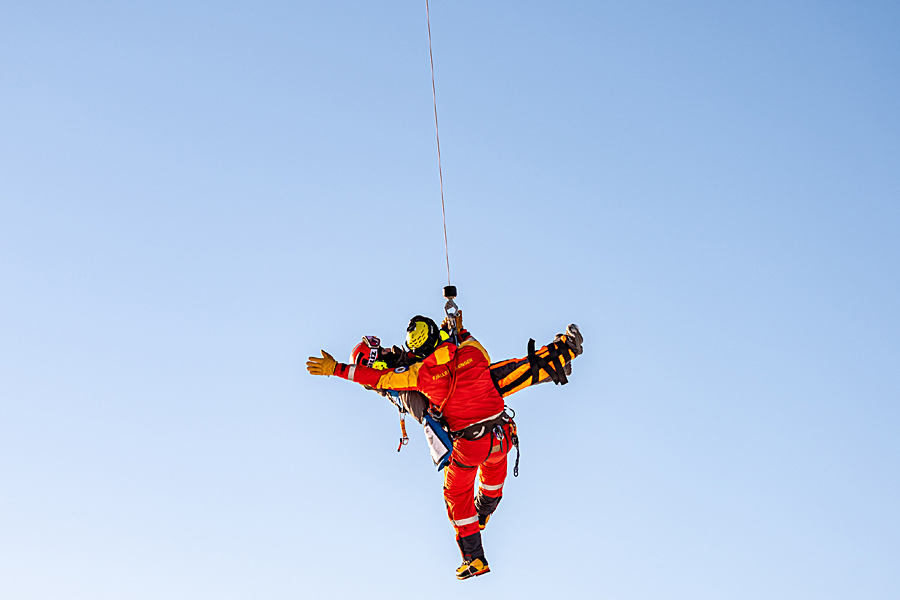
Our support team from the Mountain Rescue Group and the Swedish Army, among others, had magically set up camp and we were fully sustained with reindeer stew and various hot drinks. It was then time for a full-on and very ‘real life’ display by the Swedish Mountain Rescue group who were now joined by the Police Helicopter Service. One of our journalist group had a small accident on the ice the previous evening which brought her into contact with the Mountain Rescue team. They needed a ‘subject’ to be rescued so Beatriz was ‘volunteered’ to be a badly hurt skier. With the full heli-med treatment, she was lifted off the frozen lake and into the rescue helicopter and then flown around and eventually rejoined us. Talking with her later I thought this would be an extremely cold experience for her. She was put on blankets on the ice while being prepared for extraction but when lifted out, which involved flying some distance on the winch cable and into the downwash of the helicopter, she was fine; this comfort was down to the clothes we all had on, which was again testament to the layering system.
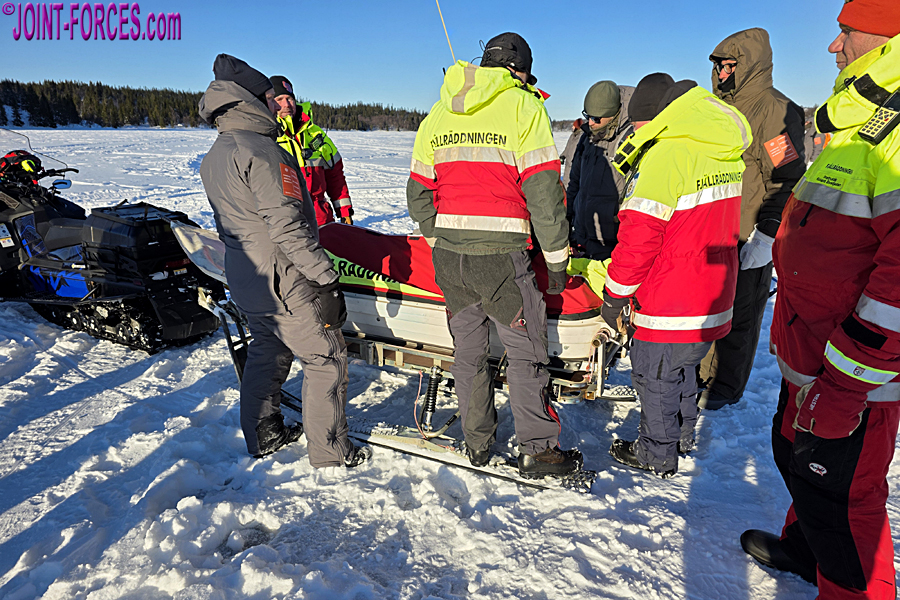
Following this interlude we were also shown how the rescue team go about extracting a casualty using snowmobiles and a specially adapted sledge. In these areas the distances are so huge and conditions very difficult so oversnow vehicles and helicopters, if able to fly, are vitally important. The volunteers and crews need to be well prepared, and they too were using similar layered clothing systems to us.
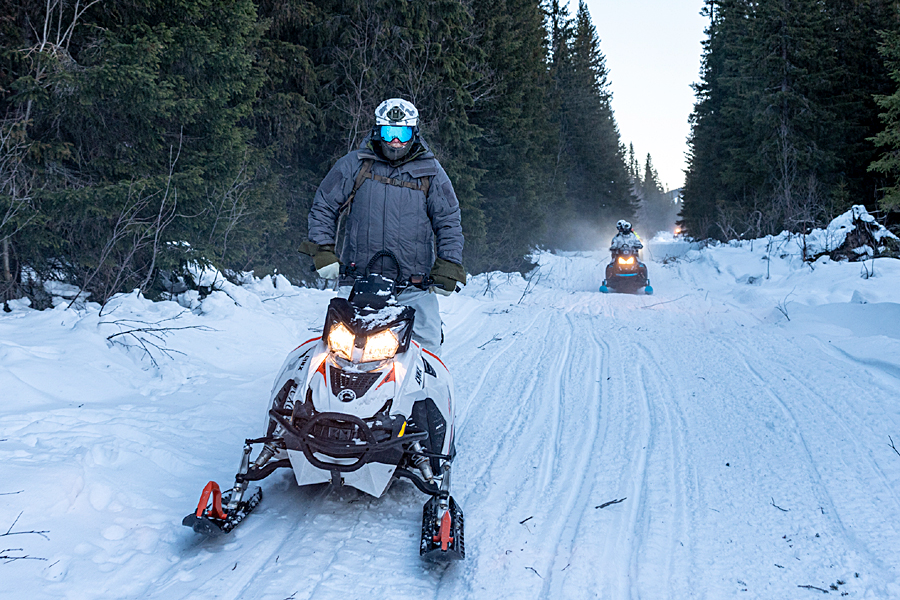
This was a very full, busy, eventful and informative day, not to mention being great fun in the cold and stunning environment of middle Sweden. Our final activity was to head back to Bydalen on our snowmobiles with a couple of stops for photo opportunities and a leg stretch and warm up ‘Scandinavian Shoulder Shrug’ to get the blood flowing a bit faster. It was a bittersweet trip as we knew we were heading to the end of this fantastic and very real experience. Others like me we wanted to have a real go on the machines but knew we would only get back faster, so decided to go slower to enjoy it all for a bit longer. The aim of the event, set up by the participating companies and countries, was to let us all try the layering systems of the NCU for real and in authentic conditions. Without question this was a success and fun as well.
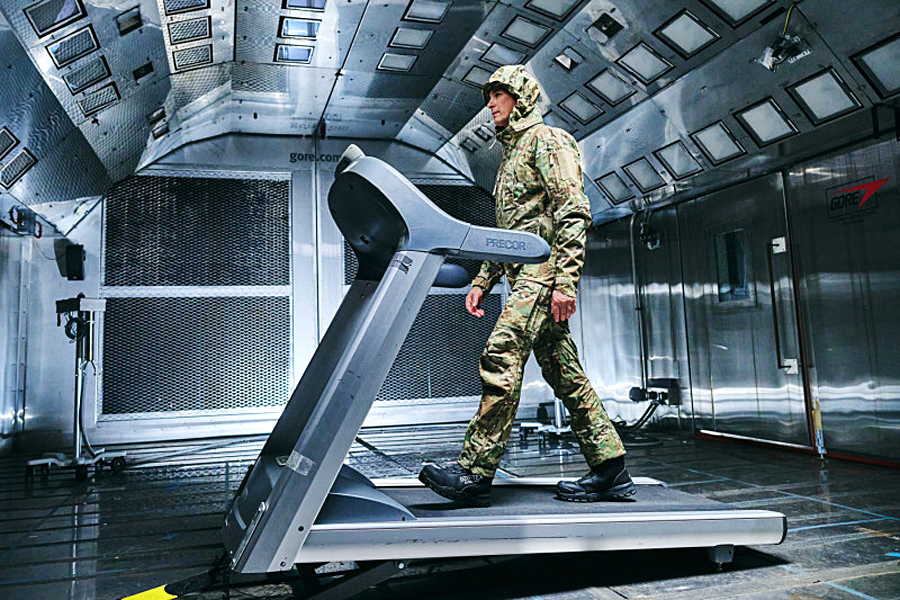
Our final evening was also very interesting, and I will hopefully cover this another time, but we were given some very informative talks and presentations by Gore-Tex and others. Perhaps the most outstanding of these was by the WL Gore ‘Comfort Scientist’. This sounds a bit strange perhaps, but as Anna gave her presentation it all came together and made a whole lot of sense. WL Gore has a very extensive facility / laboratory in Bavaria [been there, done that, Ed.] where they can produce a full range of climate conditions from -50°C to +50°C with wind, rain and humidity to suit their needs and also to test mannequins and real live people through various activities. With all this they have the ability to scientifically try out clothing systems in controlled environments to supplement putting garments out into the real world where, of course, it is much more tricky to gauge results. Couple this with the very many different requirements and effects of the wide range of end users, including male / female, age, fitness etc., and you soon realise how hard it is to please everyone all of the time.
This said, it was apparent from our busy few days that the NCU project was definitely working in the right direction and producing results so the end user / soldier on the ground will have a much better life in the field and, for sure, be much better equipped to do their job to greater effect ~ or when it comes to it, purely survive ~ in extreme conditions wherever in the world these may be.
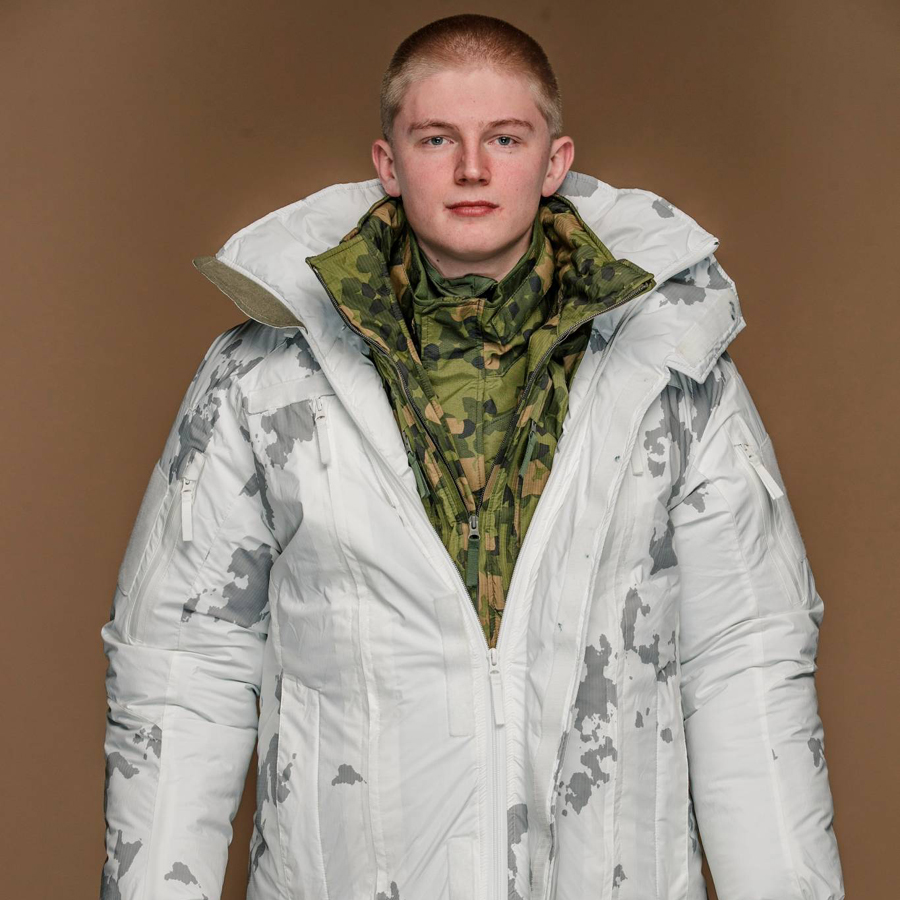
[images © Mike Gormley or NAS Official Photographer]
~