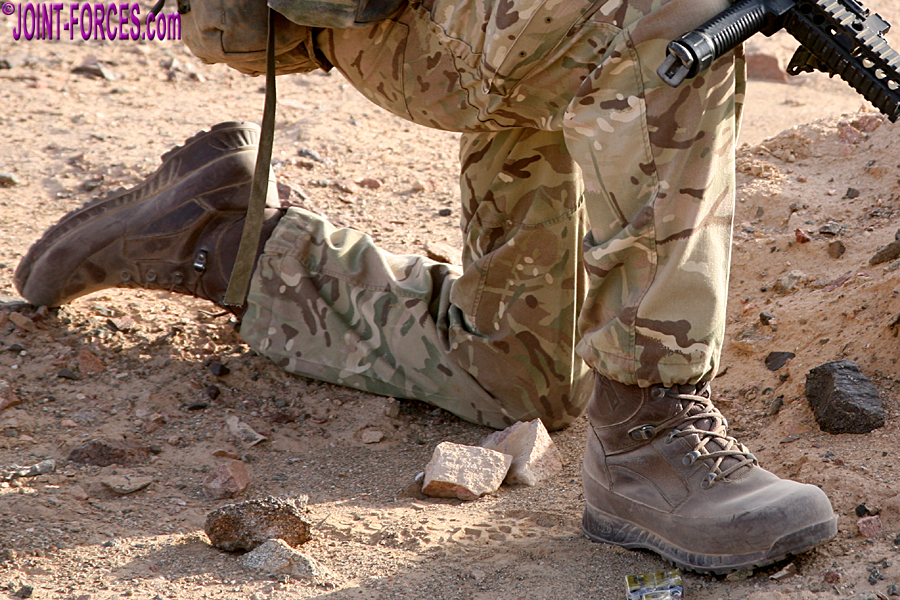
Simon Ash from HAIX discusses protecting operational readiness, and keeping boots on the ground through smart footwear choices in this Guest Post.
~
Simon Ash, UK and Ireland Sales Manager for global functional footwear manufacturer HAIX, explains how the right footwear can support in reducing the risk of foot related injury and musculoskeletal disorders:-
Foot care has long been embedded in military culture, but footwear shouldn’t be solely viewed as a comfort issue. Poorly fitting or unsuitable boots can contribute to foot pain and other injuries including musculoskeletal disorders and musculoskeletal injuries (MSD/MSKI).
Foot pain can alter gait, change loading through the ankle, knee, hip and back, and contribute to wider musculoskeletal strain. In a military setting, where personnel are routinely exposed to carrying heavy loads, repeated impact, uneven terrain and long periods on their feet, these issues can quickly become operational.
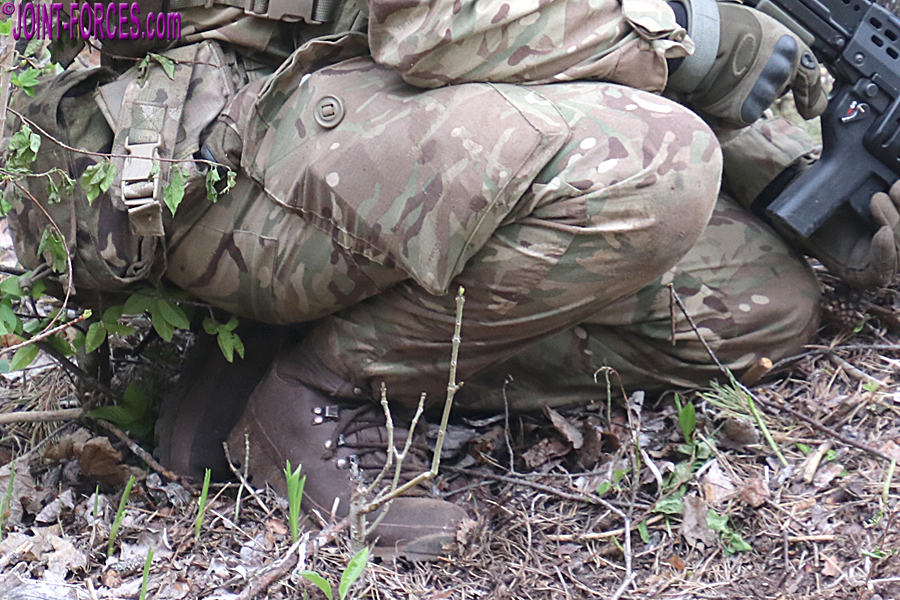
The Challenge: Musculoskeletal injuries remain a live concern for UK Defence because they affect movement, physical capacity and availability for training or duty. Preventing these issues ensures that soldiers remain in action when needed.
In 2024, the UK Ministry of Defence partnered with the University of Bath on a five-year, £1.35 million research project focused on predicting and preventing musculoskeletal injuries in new military recruits.1 The project describes MSKI as a significant problem in recruit training and a leading cause of lost training days, with persistent injuries contributing to re-squadding, voluntary discharge and, in more severe cases, medical discharge.
Published British Army research also gives a useful indication of the scale of the issue. A prospective cohort study of 1,810 British Army infantry recruits at the Infantry Training Centre, Catterick, found that 58% sustained at least one injury during training.2 Overuse injuries accounted for 65% of all injuries, compared with 35% traumatic injuries, and the knee, foot, ankle and shin were the most frequently reported injury sites. Time-loss injuries resulted in a median of 24 days of restricted duties.3
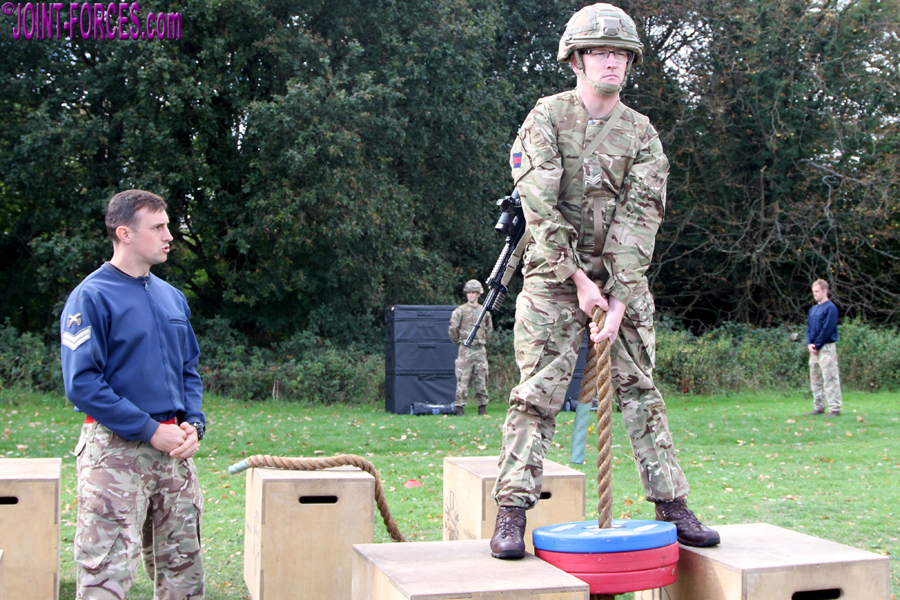
Another study of 6,608 British Army recruits during the 26-week Combat Infantryman’s Course reported an overall musculoskeletal injury incidence of 48.6%.4 It also showed why prevention priorities should consider both frequency and recovery burden: stress fractures of the femur, calcaneus and tibia had some of the longest rehabilitation times, while medial tibial stress syndrome accounted for 19.8% of all rehabilitation days.5
Boots will not eliminate this injury burden on their own. Training design, conditioning, load management and recovery all play an important role. However, footwear is one of the modifiable factors that can be influenced through selection, issue and procurement.
The Right Fit: Fit is one of the most important factors in preventing foot injuries. Boots that are too loose allow the foot to move inside the boot, increasing friction, hotspots and blister risk. Boots that are too tight can compress the toes, restrict natural movement and cause pain during long periods of standing, marching or loaded activity. A good combat boot should secure the heel, support the midfoot and leave enough space for the toes to move, particularly under load when feet can swell. Correct lacing is also essential: even a well-designed boot will underperform if the foot is not properly retained.
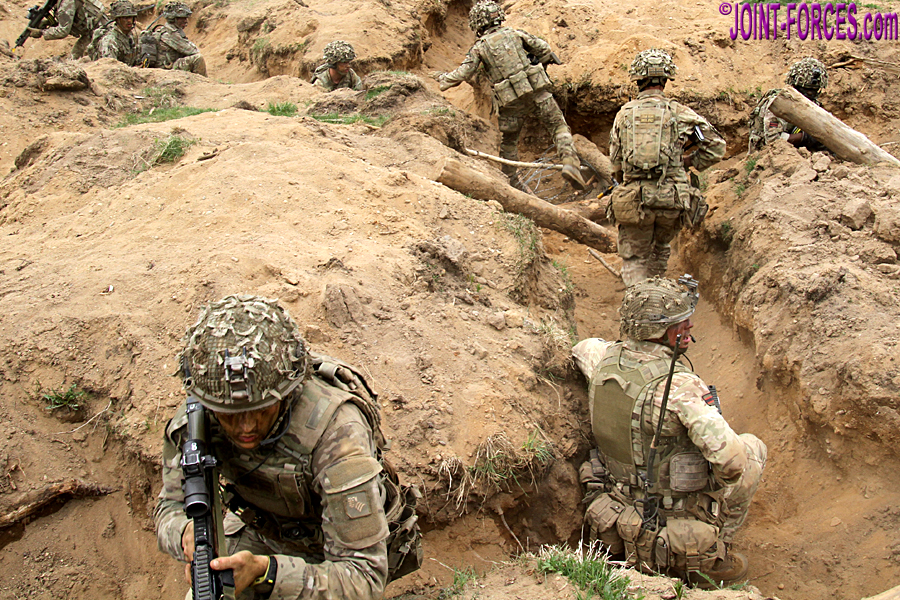
Comfort And Shock Absorption: Comfort in military footwear is not a luxury, it is crucial. During loaded marches, high-intensity training and prolonged wear, effective cushioning can help reduce repeated impact through the feet, joints and back. Procurement teams should consider not only initial comfort, but whether cushioning, support and midsole performance are maintained after sustained use, repeated flexing, wet conditions and temperature variation.
Materials And Protection: Combat boot materials must balance durability, protection and comfort. Linings should help reduce friction and manage moisture, while outer materials need to withstand field conditions without restricting natural movement. Slip resistance, sole stability, waterproofing and breathability should also be treated as core requirements. Personnel regularly move between wet hardstanding, grass, mud, woodland tracks and broken ground, so tread design and platform stability matter. Water management is equally important: boots need to keep external moisture out while allowing internal heat and sweat to escape.
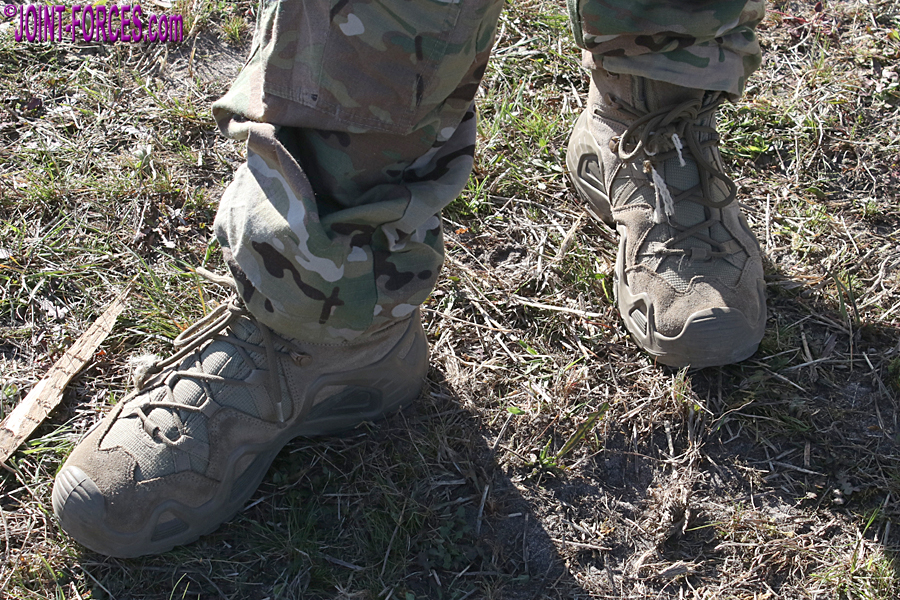
Temperature Control: Foot temperature and moisture control are central to foot health. Cold, damp or overheated feet can increase the risk of soreness, blistering and skin breakdown, particularly during long periods of activity. Boots with effective climatic control can help regulate the internal environment, supporting comfort as personnel move between cold starts, high-output activity, static periods and wet ground conditions.
Staying Ready For Action: Supportive, well-fitted combat boots are not a cure-all for military musculoskeletal injuries, but they are a practical part of prevention. By prioritising fit, cushioning, material performance, grip, water management and temperature control, soldiers and procurement teams can reduce avoidable strain and help personnel remain ready for action.
¤ HAIX is committed to developing functional footwear for the military, with combat boots designed to combine cushioning, support, protection and durability for demanding operational environments. For more information on their range of military and combat boots, visit HAIX Military Footwear.
~
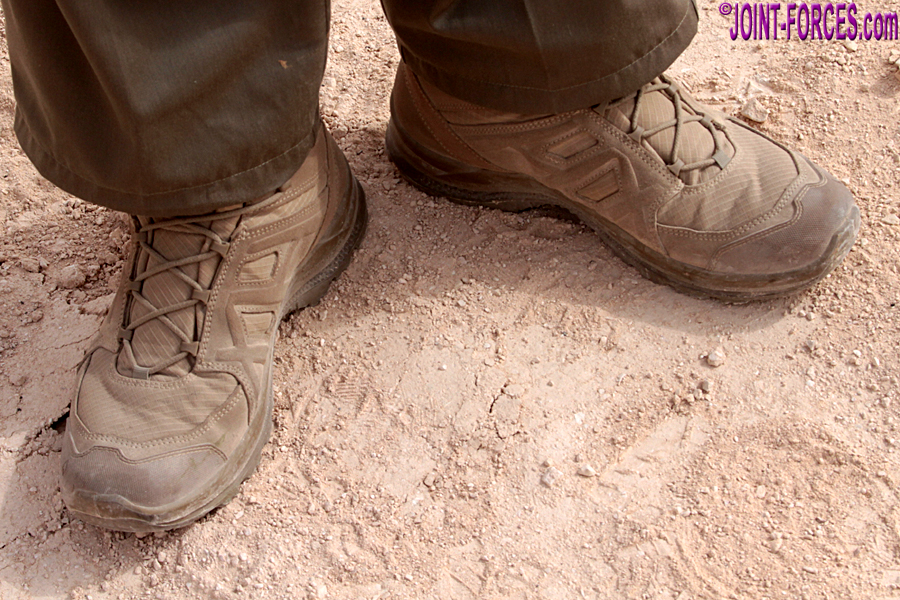
Editor’s Footnote: Foot care and correct choice of footwear have long been a priority for me, not least because I am diabetic and as a result have to closely monitor my feet. My late mother, who was a chiropodist with her own practice, used to say that my feet had been put on this earth primarily to remind her she could not heal everything! I have known Simon Ash for many years, frequently ‘chewing the fat’ over coffee on the HAIX stand at major Defence & Security Expos, so when he offered JOINT-FORCES this Keeping Boots On The Ground article I was only too happy to accept as I highly value his expertise in this field.
~